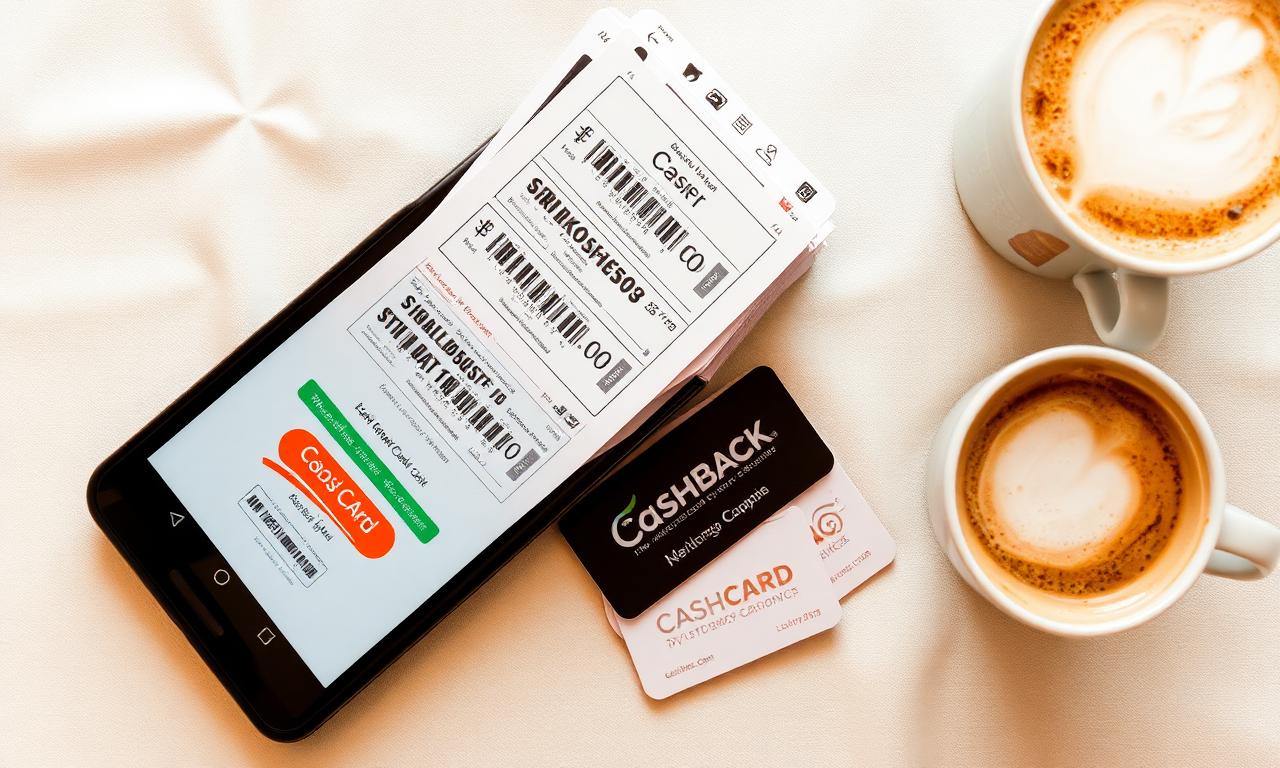
One coupon is a discount. Two stacked correctly is a small windfall. Stacking — layering multiple offers on the same purchase — is one of the most overlooked savings techniques because most shoppers stop the moment they apply a single code.
Understand the order of operations
Most retailers apply discounts in a specific sequence: a percent-off promotion first, then a fixed-dollar coupon, then cashback or rewards on the remaining total. Knowing this order matters, because the same set of offers can produce different final prices depending on what gets applied to what.
Layer 1: The store-level promotion
This is the public sale price — the percent-off-everything banner at the top of a site, or a category-wide markdown. You don't have to do anything to claim it; it's baked into the listed price.
Layer 2: The coupon code
A code at checkout often stacks on top of the sale price, especially if it's labeled "extra X% off" or "$Y off your order." Read the terms carefully — some codes specifically exclude sale items, which is the most common stacking conflict.
Layer 3: Membership pricing
If the retailer has a free or paid membership tier, member-only pricing usually applies on top of public promotions. Some platforms even surface a separate "member price" at checkout that's already lower than the sale price.
Layer 4: Cashback
Cashback apps and browser tools rebate a percentage of your final total after all other discounts are applied. Because cashback runs on top, it stacks cleanly with almost everything — as long as you click through the cashback link before completing checkout.
Layer 5: Card rewards
Finally, the credit or debit card you pay with may rebate a small percentage on top of everything else. Category-bonus cards (groceries, dining, fuel) can quietly add another 2–5% to whatever savings you've already stacked.
Stacking rules to respect
- Read the exclusions. Most stacking failures come from a coupon that quietly excludes sale items or specific brands.
- One coupon per order is the norm. Unless the site explicitly allows multiple codes, assume you can only use one at a time.
- Click through cashback last. Cashback tools track the session that started the checkout — so always activate them right before adding to cart, not days earlier.
- Don't return-and-rebuy to chase a better stack. Some retailers flag accounts that do this, and the lost goodwill isn't worth the marginal savings.
A worked example
Say you're buying a $100 jacket. The site is running 20% off, dropping it to $80. A member-only code knocks another $10 off, bringing it to $70. A cashback tool rebates 5% — another $3.50 back. Your rewards card adds 2% on top — another $1.40. The headline was 20% off; the actual savings ended up closer to 35%, all from layers you didn't have to fight for.
Stacking takes a few extra minutes per purchase. On big-ticket items, those minutes are some of the highest-paid time in your week.